
Design Concept
This project presents a small-scale thermoelectric generator powered by the direct combustion of hydrogen-enriched compressed natural gas. The system was developed for residential emergency power supply and distributed energy applications, where compact structure, stable combustion, low emissions, and reliable electricity generation are required.
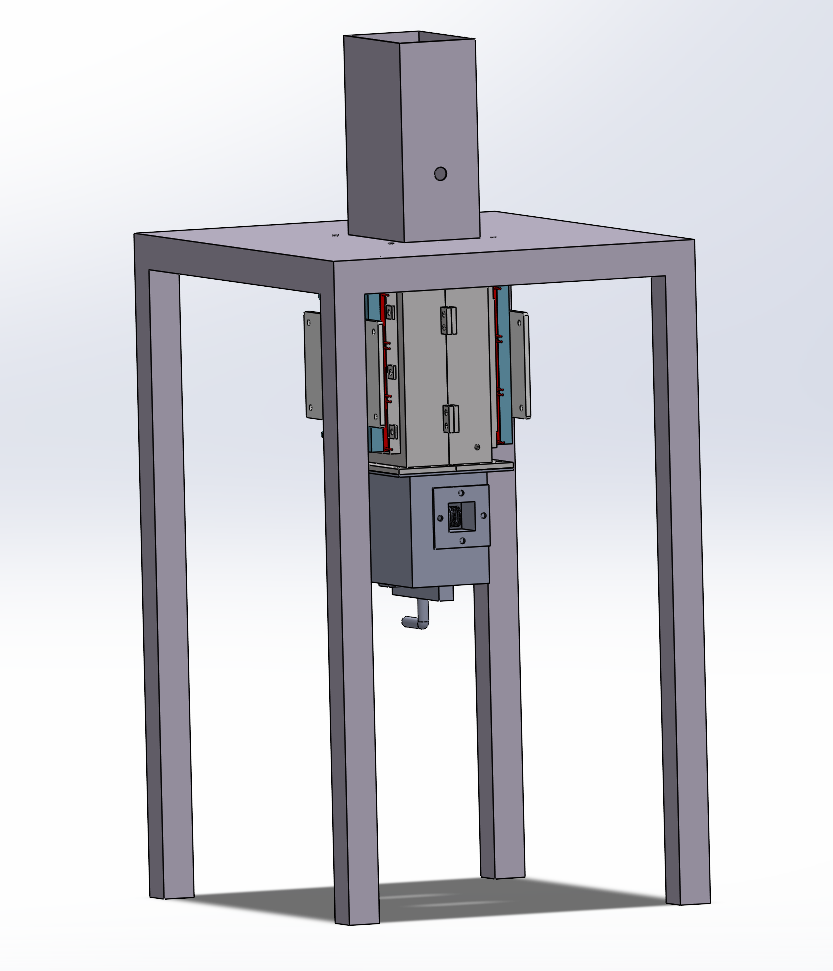
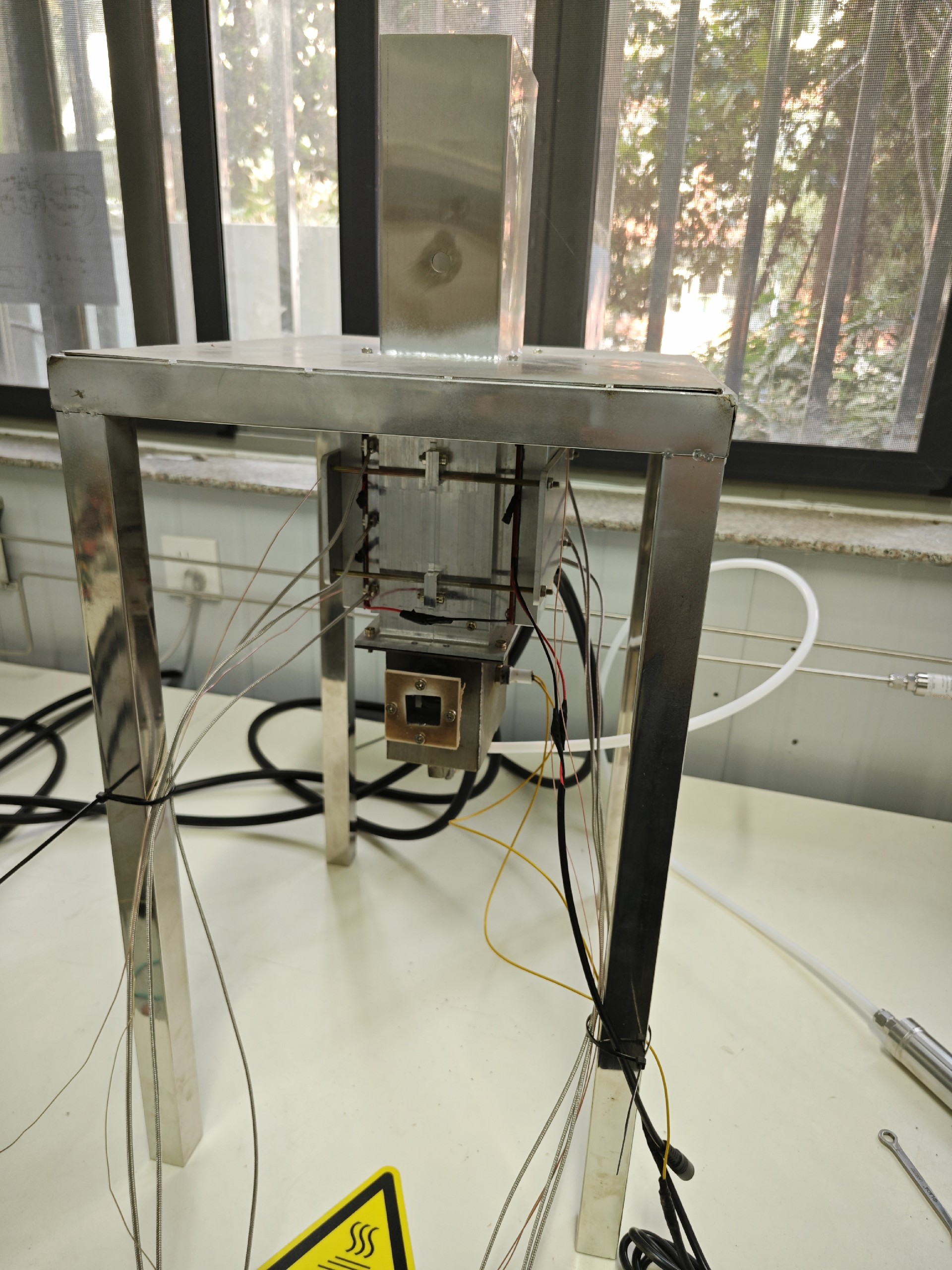
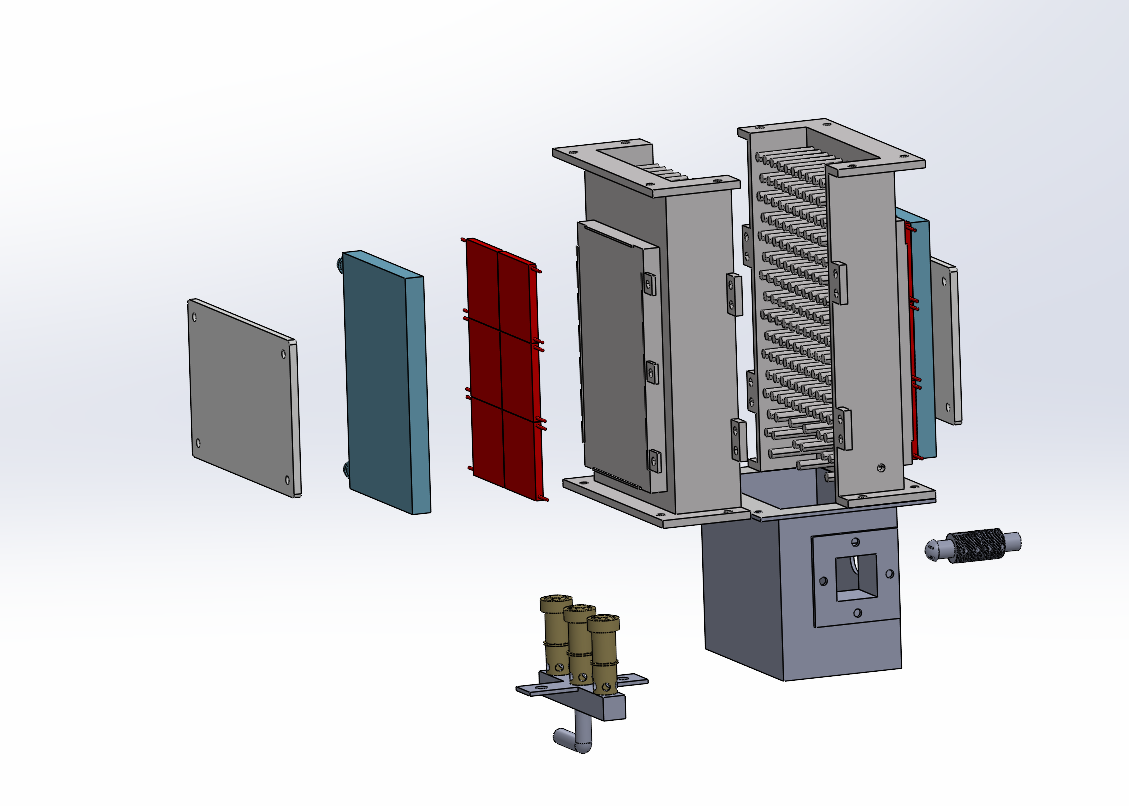
The design is based on a self-aspirating household burner, which allows the fuel to entrain air naturally without an additional air compressor. Natural gas and hydrogen are first mixed in a gas mixer and then supplied to three self-aspirating burners installed at the bottom of the combustion chamber. The released heat is absorbed by a pin-fin heat collector and transferred to thermoelectric modules. Water-cooled heat exchangers are used on the cold side to maintain a stable temperature difference across the modules. Through this arrangement, the chemical energy of HCNG can be converted directly into electrical power while maintaining a simple and compact system layout.
The main purpose of this design is not only to improve the utilization of hydrogen-enriched natural gas, but also to explore a practical pathway for using household gas infrastructure for small-scale power generation. Compared with conventional gas appliances, this system extends the function of fuel combustion from heating alone to combined heat-to-electricity conversion.
Experimental Method
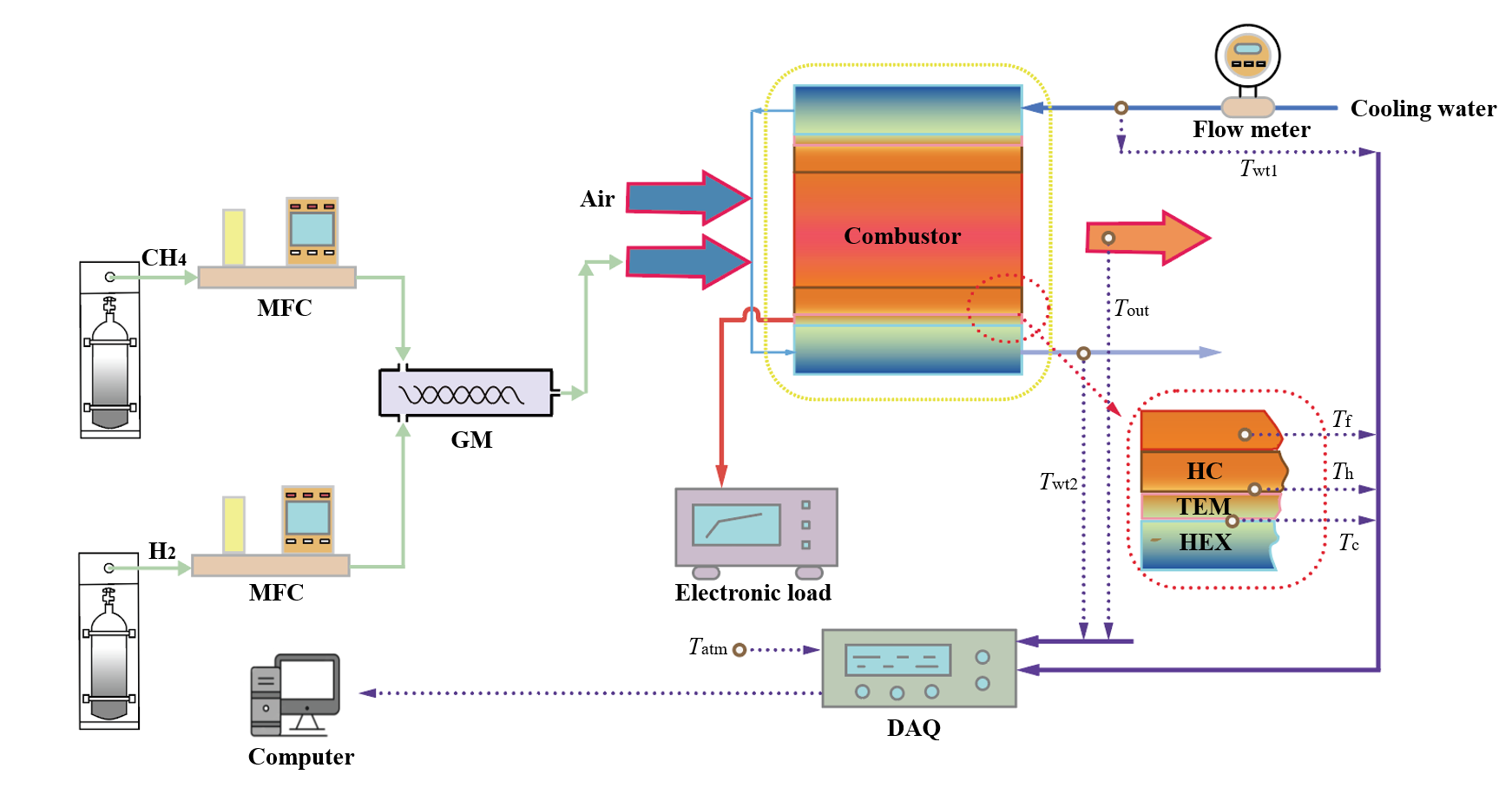
The experimental system consisted of a gas supply unit, a combustion and heat collection unit, a thermoelectric power generation unit, and a data acquisition unit. Natural gas and hydrogen were supplied separately and their flow rates were controlled by mass flow controllers. After passing through the gas mixer, the blended fuel was delivered to the self-aspirating burners for combustion.
The thermoelectric generator was tested under different thermal input powers and hydrogen blending ratios. The input power ranged from 700 W to 2500 W, while the hydrogen blending ratio was varied from 0 to 20 vol%. During each test, the hot-side temperature, cold-side temperature, flame temperature, exhaust gas temperature, electrical output, cooling water temperature, and pollutant emissions were measured. The electrical performance was evaluated by adjusting the external load resistance and recording the corresponding voltage, current, and output power.
To ensure experimental repeatability, each operating condition was tested after the system reached a stable state. Ambient temperature and humidity were controlled within a narrow range, and the cooling water flow rate was kept constant. Pollutant emissions, including CO, CO2, and NOx, were measured using a flue gas analyzer. The stability of the flame was evaluated using the average flame temperature, standard deviation, and coefficient of variation.
Experimental Results
The results show that hydrogen enrichment did not weaken the heat transfer performance of the thermoelectric generator. When the hydrogen blending ratio increased from 0 to 20 vol% at a fixed input power, the hot-side and cold-side temperatures of the system remained nearly unchanged. This indicates that HCNG can be used as a fuel for this type of thermoelectric generator without reducing the operating temperature difference required for power generation.
The electrical output was also well preserved after hydrogen addition. At an input power of 2500 W, the system delivered a maximum output power of 75.8 W with natural gas. When the hydrogen blending ratio was increased to 20 vol%, the maximum output power remained at approximately the same level. The corresponding system efficiency reached about 3.03%. These results demonstrate that hydrogen-enriched natural gas can reduce carbon-related emissions without sacrificing the electrical performance of the thermoelectric generator.
A clear reduction in pollutant emissions was observed with increasing hydrogen content. At 2500 W, CO emissions decreased from 52.7 mg/m3 with pure natural gas to 1 mg/m3 at 20 vol% hydrogen blending. CO2 concentration also decreased from 6.73% to 5.36%. This reduction is mainly attributed to the lower carbon content of the blended fuel and the improved combustion process promoted by hydrogen addition. Meanwhile, NOx emissions did not increase sharply, which suggests that the strong heat extraction of the heat collector and the leaner combustion condition helped suppress excessive NOx formation.
The flame stability also improved after hydrogen blending. As the hydrogen blending ratio increased from 0 to 20 vol%, the coefficient of variation of the flame temperature decreased from 0.77% to 0.49%. This indicates that the flame became more stable with hydrogen addition. For household and emergency power applications, this improvement is important because stable combustion directly affects system reliability and safety.
Future Outlook
This work confirms the feasibility of using hydrogen-enriched natural gas to drive a compact thermoelectric generator for residential-scale power generation. The system can maintain stable power output while significantly reducing CO and CO2 emissions, which makes it a promising option for backup power supply during grid failures or extreme weather conditions.
Further optimization will focus on improving the overall system efficiency. A large portion of the input energy is still carried away by exhaust gas and cooling water, indicating that there is considerable potential for waste heat recovery. Future designs may include an optimized heat collector, improved combustion chamber geometry, enhanced thermal insulation, and more efficient thermoelectric modules. Recovering part of the exhaust heat or using the cooling water heat for domestic hot water supply may also improve the practical value of the system.
In addition, future work will explore higher integration, lighter structure, and better thermal management. The long-term stability of the system under continuous operation also needs to be evaluated. With further development, HCNG-fueled thermoelectric generators may become a clean, quiet, and reliable distributed power source for household emergency use and small-scale off-grid energy systems.